12/Feb/2023

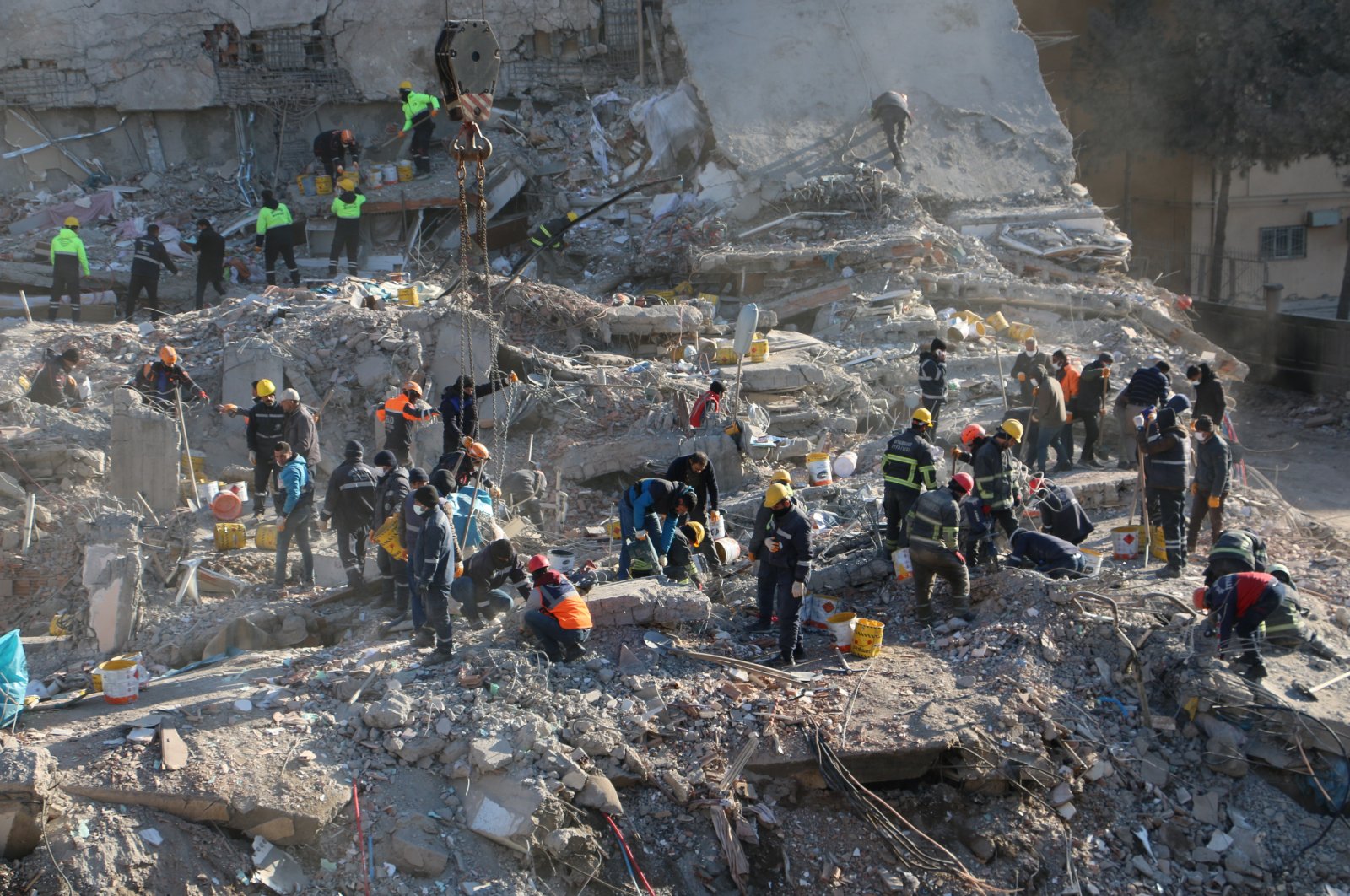
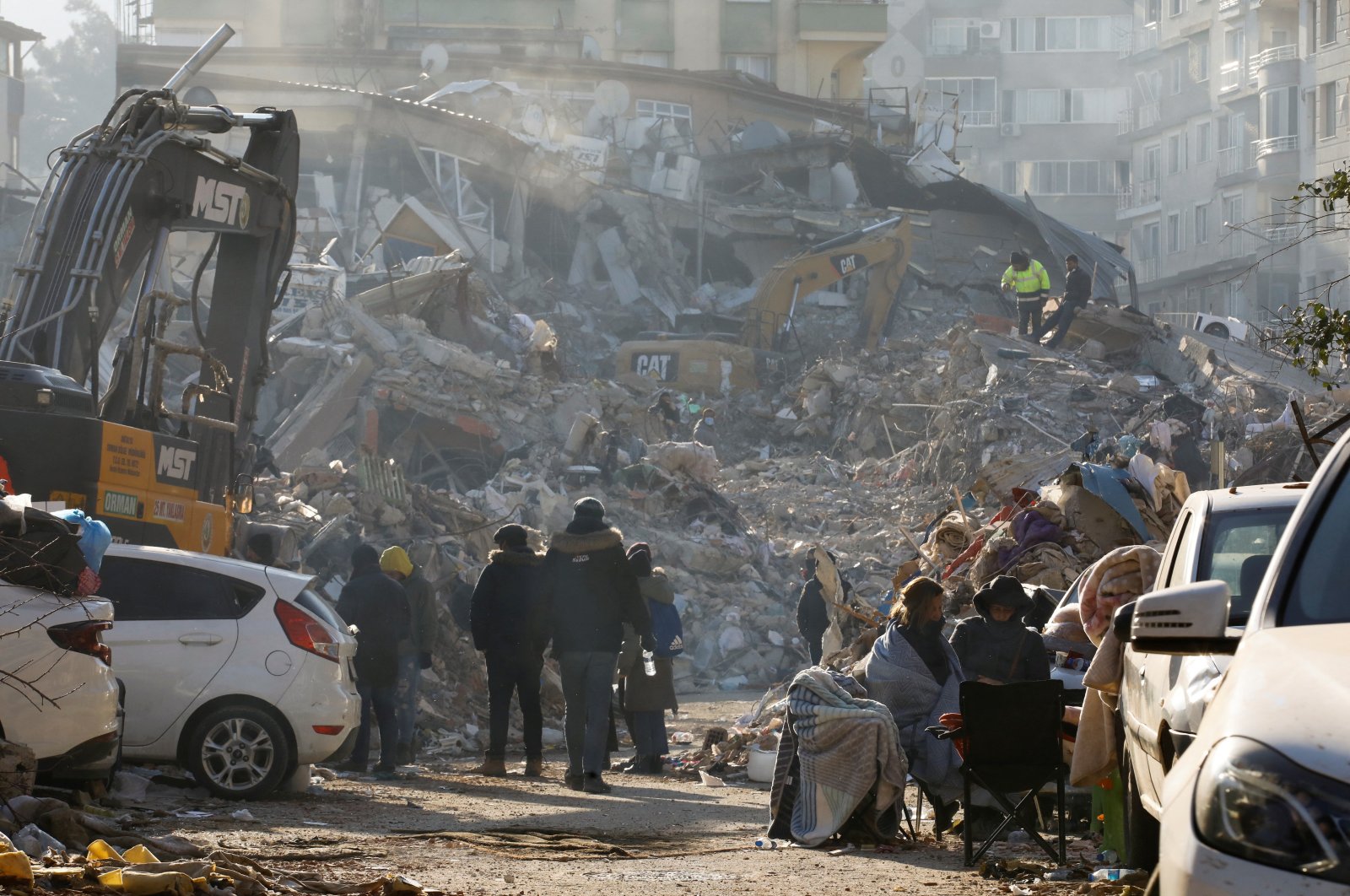
Vice President Fuat Oktay said late Saturday that at least 24,617 people were killed by two strong earthquakes that jolted southern Türkiye last Monday. This number rose to 29,605, according to the Disaster and Emergency Management Authority (AFAD) later on Sunday.

The AFAD also said 147,934 others have been evacuated from the region to the other provinces.

Oktay, also announced that Earthquake Crimes Investigation Departments have been established by the prosecutor’s offices under the supervision of the Justice Ministry in the 10 provinces affected by the quakes in the southeast.

He noted the responsibilities of 131 suspects in buildings that collapsed in the quakes were determined – one was arrested and arrest warrants have been issued for 113 others.

The 7.7 and 7.6 magnitude quakes, centered in Kahramanmaraş province, were felt last Monday by 13 million people across 10 provinces, including Adana, Adıyaman, Diyarbakır, Gaziantep, Hatay, Kilis, Malatya, Osmaniye and Şanlıurfa.

Some 218,417 search and rescue personnel are working in the field, according to the AFAD.

Meanwhile, Environment, Urbanization and Climate Change Minister Murat Kurum said inspections at 171,882 buildings in 10 provinces were conducted.

“We determined that a total of 120,940 structures in 24,921 building complexes collapsed, in need of urgent demolishment, or severely damaged,” he said.

He added that of the number of buildings examined in 10 provinces, 122,279 structures were lightly damaged or undamaged.

After the initial earthquake, an air aid corridor was created by the Turkish Armed Forces (TSK) to deliver search and rescue teams to the region.

A large number of transport aircraft, including A-400Ms, carried search and rescue teams and vehicles to the region. Ambulance planes are also using the air aid corridor.

Parliament approved a three-month state of emergency on Thursday to speed up aid efforts. The country is also observing seven days of national mourning in the wake of the disaster, which ends on Sunday evening.

Condolences have poured in from around the world expressing solidarity with Türkiye, with many countries sending rescue teams and aid.

Source: Daily Sabah


12/Feb/2023

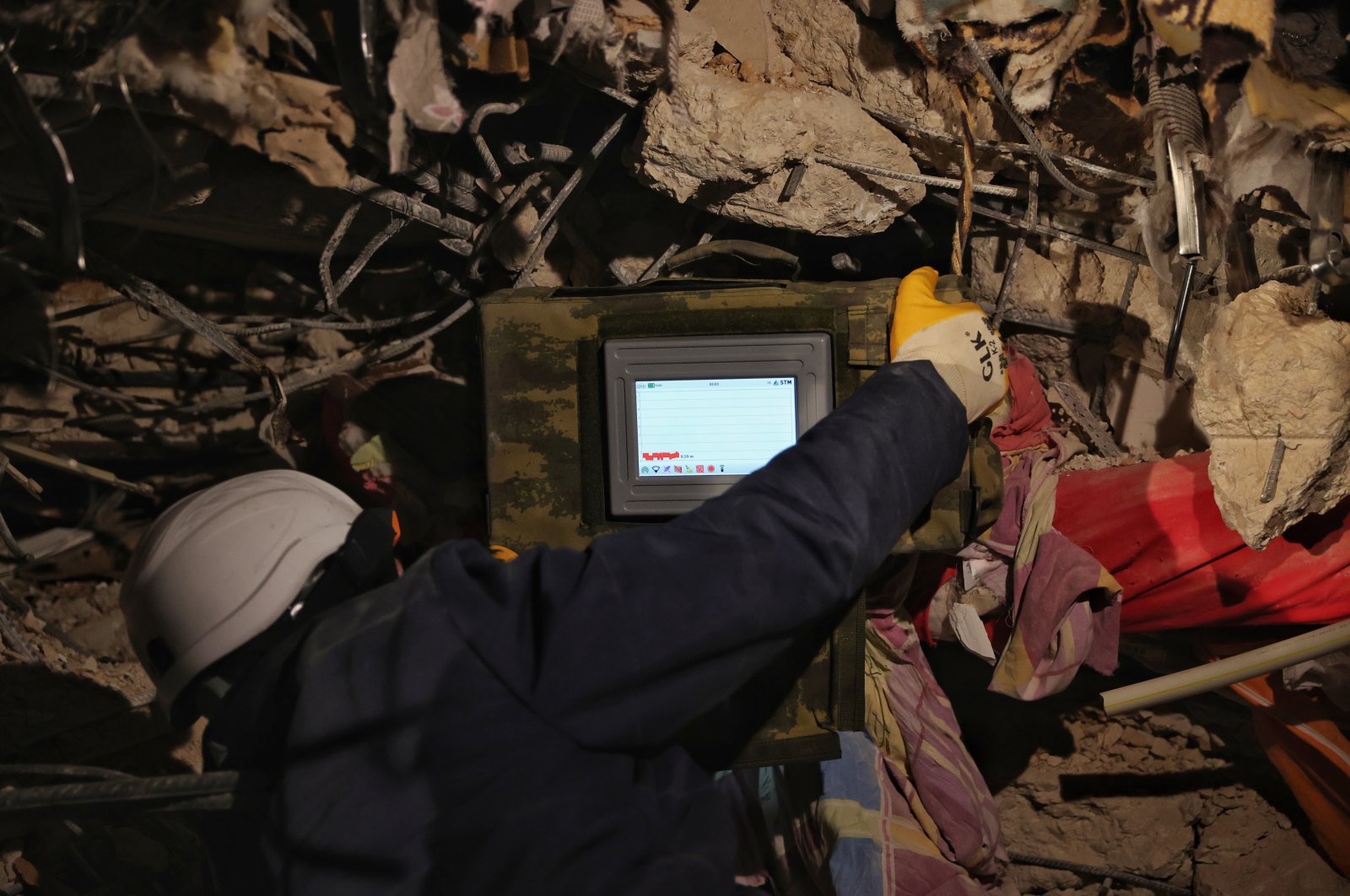
The Through the Wall Radar (DAR) developed by STM Defense Technologies Engineering and Trade Inc. – a prominent engineering company in the Turkish defense industry – is playing a crucial role in the ongoing rescue operations following the recent catastrophic earthquakes in Türkiye.

The earthquakes, with magnitudes of 7.7 and 7.6 that centered in the Kahramanmaraş province, have devastated 10 provinces in the region, as well as severely affecting neighboring Syria.

The Ankara-based company, with domestic facilities, has developed DAR to assist in saving lives amid the rubble in the worst-hit province of Hatay.

DAR uses cutting-edge technology to determine the presence of living beings beneath the debris and to provide search and rescue teams with their exact locations. Thanks to the device, over 20 earthquake victims have already been located and rescued.

STM technician Yusuf Hayırlı told Anadolu Agency (AA) that his team is working in the earthquake zone as per the company’s assignment.

He revealed that they utilized the DAR device, designed for defense purposes, outside its regular area for the first time in the earthquake zone and are proud to have contributed to the rescue of over 20 people.

Hayırlı emphasized the significance of defense technology and engineering in disaster zones, explaining that they aid search and rescue teams by providing the location of the victims trapped under the ruins. He said that the device can detect breathing movements, hand and arm movements, and estimate the location of trapped individuals. With this technology, they have been able to determine the exact location of survivors and relay crucial information to rescue teams.

Working in two teams in Hatay, Hayırlı described an emotional moment when they were able to rescue a 7-month-old baby from the rubble, an experience he referred to as “indescribable happiness.”

Source: Daily Sabah


12/Feb/2023

Renowned celebrities, including Selena Gomez, Jennifer Lopez and Shakira, have come forward to raise awareness and support for those affected by the recent earthquakes, which devastated 10 Turkish provinces and parts of Syria on Monday.

Selena Gomez, with her massive followers of 377 million on Instagram, shared a photo of a rescued child and a link to UNICEF’s aid campaign. In her post, she said, “Heartbroken for those affected by the earthquake in Syria & Türkiye. If you’re looking for ways to help, here’s a link to donate.”

Similarly, famous singer Shakira used her social media to spread awareness of the devastating impact the earthquakes have had on children in the region. She shared a photo of a rescued child and a link to the aid campaign.

Jennifer Lopez, who has expressed her support for her fans in Türkiye and Syria, shared that this was the strongest earthquake that hit the region in nearly 100 years. She directed her followers to UNICEF’s donation campaign to aid children affected by the disaster.

Famous Indian actress Jennifer Winget expressed her grief upon viewing images of the earthquake’s aftermath and offered her prayers for the victims; while American actress Lana Parrilla, known for her roles in “Lost” and “24,” expressed her sorrow and prayed for the Turkish and Syrian communities.

French model Sebastien Betsch shared photos of the earthquake-stricken regions while directing his followers to donate. His post read, “I’ve been lucky enough to experience firsthand the generosity of the Turkish people and I believe that it is now in our hands to give it back to them.”

Spanish musician Enrique Iglesias shared the aid campaign “Save The Children” and called for love, support, and donations for those who are able.

Finally, world-renowned chef Jamie Oliver shared the U.K.-based Disaster Emergency Committee’s (DEC) aid campaign for the two countries and expressed his sympathy for those affected.

Source: Daily Sabah


12/Feb/2023

Almost everybody knows that mass-produced ice cream, ham, crisps, cereal and bread, are less healthy than anything you can make in your own kitchen, but researchers have said the dangers may be even greater than thought previously as the chemicals used for ultra-processed foods may increase risk of cancer.

A study funded by Cancer Research United Kingdom and the World Cancer Research Fund suggests there may be some link between very processed foods and an increased risk of various types of cancer.

The Imperial College London team which led the study said the link could not be proven owing to the fact it is based on observations, where people remember what they eat.

However, they said people in the U.K. eat far too many ultra-processed foods – often called UPFs – and called for front-of-pack warning labels.

Ultra-processed foods usually contain ingredients that people would not add when they are cooking homemade food.

These additions may include chemicals, colourings, sweeteners and preservatives to extend shelf-life.

The most commonly eaten ultra-processed foods in the U.K. are shop-bought mass-produced bread, ready meals, various breakfast bowls of cereal, reconstituted meat products such as ham, sweets, and shop-bought biscuits, buns and cakes.

Not all processed food is bad. For example, the U.K.’s National Health Service (NHS) says some foods need processing to make them safe, such as milk, which needs to be pasteurised to remove bacteria.

Previous studies have suggested a link between ultra-processed foods and heart disease, as well as obesity and type 2 diabetes.

In the new study, published in eClinicalMedicine, the team used U.K. Biobank data to examine the diets of 197,426 people aged 40 to 69.

Their health was tracked over a decade and their risk of developing cancer or dying from it was also analyzed.

The study found that higher consumption of ultra-processed foods was associated with a greater risk of developing cancer overall, specifically ovarian and brain cancers.

It was also associated with an increased risk of dying from cancer, most notably ovarian and breast cancers.

The researchers found that for every 10% increase in ultra-processed food in a person’s diet, there was a 2% increased risk of cancer overall, and a 19% increased risk for ovarian cancer specifically.

So, as an example, if somebody had zero UPFs in their diet, their risk went up for every 10% increase.

Each 10% rise was also associated with a 6% increased risk of dying from cancer, with a 16% increased risk for breast cancer and a 30% increased risk of ovarian cancer.

These links held true even after adjusting for factors that may alter the results, such as exercise, body mass index (BMI) and deprivation.

The researchers also found that people who had the highest – typically 41% – UPF level in their diet had a 7% higher risk of cancer overall than those with the lowest intake of UPFs – 9%.

Dr. Eszter Vamos, the lead author of the study, said: “This study adds to the growing evidence that ultra-processed foods are likely to negatively impact our health including our risk for cancer.

“Given the high levels of consumption in U.K. adults and children, this has important implications for future health outcomes.

“Although our study cannot prove causation, other available evidence shows that reducing ultra-processed foods in our diet could provide important health benefits.

“Further research is needed to confirm these findings and understand the best public health strategies to reduce the widespread presence and harms of ultra-processed foods in our diet.”

Dr. Kiara Chang, who also worked on the study, said: “The average person in the U.K. consumes more than half of their daily energy intake from ultra-processed foods.

“This is exceptionally high and concerning as ultra-processed foods are produced with industrially derived ingredients and often use food additives to adjust colour, flavour, consistency, texture, or extend shelf-life.

“Our bodies may not react the same way to these ultra-processed ingredients and additives as they do to fresh and nutritious minimally processed foods.

“However, ultra-processed foods are everywhere and highly marketed with cheap prices and attractive packaging to promote consumption.

“This shows our food environment needs urgent reform to protect the population from ultra-processed foods.

“We need clear front-of-pack warning labels for ultra-processed foods to aid consumer choices, and our sugar tax should be extended to cover ultra-processed fizzy drinks, fruit-based and milk-based drinks, as well as other ultra-processed products.”

She said lower-income households are “particularly vulnerable” to cheap and unhealthy UPFs, saying minimally processed and freshly prepared meals should be subsidised.

Dr. Panagiota Mitrou, director of research and innovation at the World Cancer Research Fund, said: “The findings in this first U.K. study of its kind are significant as this is the most comprehensive assessment of ultra-processed foods and cancer risk. This adds to the growing evidence linking these foods to cancer and other health conditions.”

Dr. Mitrou said people should limit the consumption of “fast foods” and other processed foods high in fat, starches or sugars, adding: “For maximum benefit, we also recommend that you make whole grains, vegetables, fruit and pulses a major part of your usual diet.”

Cancer Research U.K.’s senior prevention policy manager, Malcolm Clark, said the jury on whether ultra-processed foods cause cancer was still out, but high-calorie and sugary food can cause weight gain.

Source: Daily Sabah


Our Özel Umut Dialysis Center became operational in January 1999.

It is the first hemodialysis center of Gaziosmanpaşa, the most densely located district of Istanbul, and has proven that it has been performing the highest and sufficient hemodialysis since its establishment.

Contact US

Address: Merkez mah. Salihpaşa Cad. Sanayi Sk. No.3 Gaziosmanpaşa / İstanbul

Phone: +90 (212) 417 72 85 – 86

E-Mail: info@umutdiyalizmerkezi.com

Copyright by Özel Umut Diyaliz Merkezi. All rights reserved. Design ixoomedia